2026-06-10
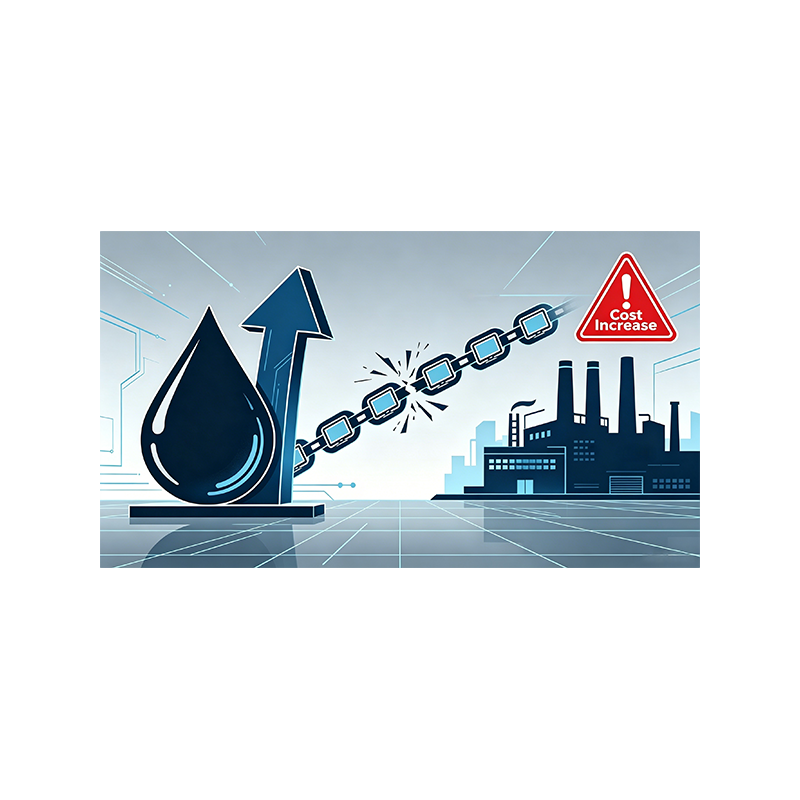
Since 2026, the ongoing turmoil in the Middle East has led to an escalating oil crisis, with international crude oil prices breaking through $95 per barrel, an increase of $20 per barrel from the beginning of the year. The rising risks of transiting the Strait of Hormuz, the global energy “lifeline”, have directly impacted the LCD industry, which relies heavily on petrochemical derivatives. In particular, the LCD segment serving industrial control, instrumentation, and automotive electronics—due to its relatively concentrated supply chain and high dependence on raw materials—has been more severely affected. DALIAN EASTERN DISPLAY CO., LTD. (hereinafter referred to as “EASTERN DISPLAY”), a well-known Chinese LCD manufacturer, is also facing the dual challenges of rising raw material prices and extended lead times, putting overall pressure on the industry supply chain.
It is reported that the core raw materials for LCDs are heavily dependent on petrochemical products. Key categories such as optical films, polarizer substrates, and liquid crystal materials are all derived from naphtha, a petroleum refining product. According to the latest Omdia report, the core raw materials for optical films used in displays, such as PET and PMMA, rely on naphtha processing. The Middle East oil crisis has led to tight naphtha supply and soaring prices, which directly transmits to the LCD raw material end, triggering cost increases across the entire industry chain.
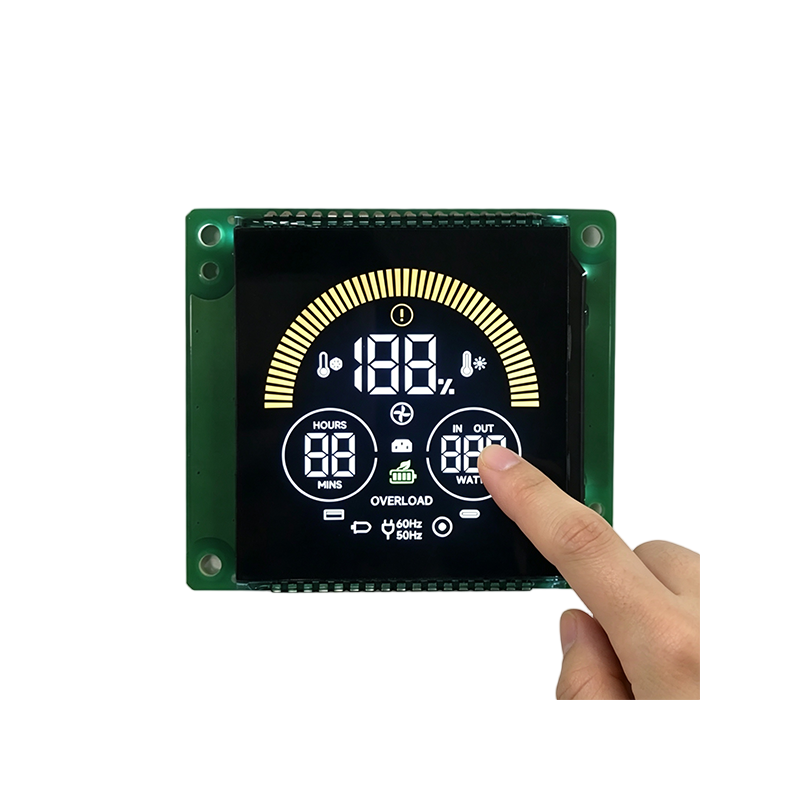
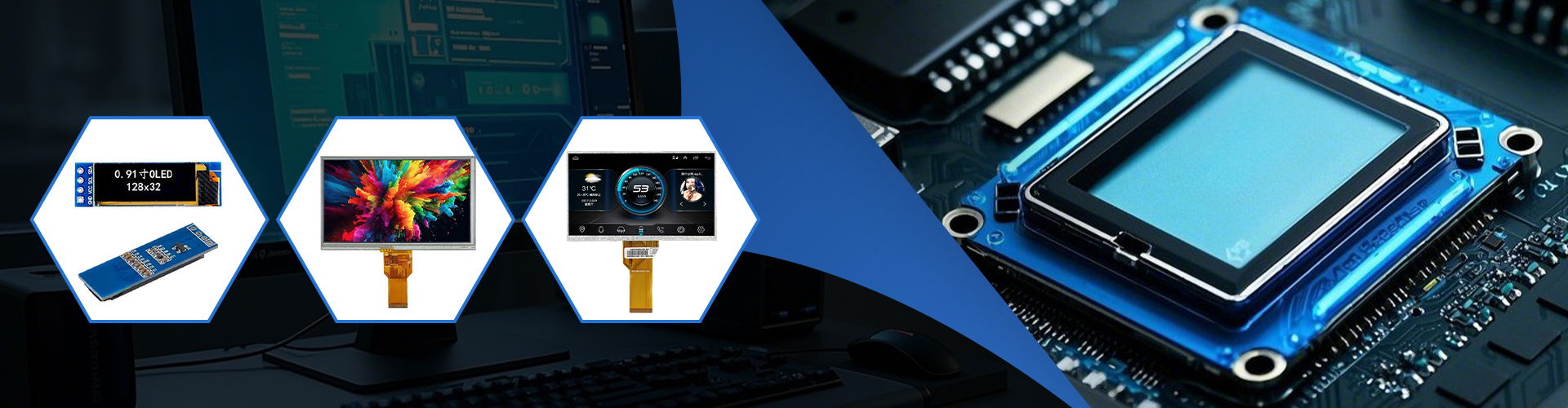
As a company deeply rooted in the LCD industry for 36 years, EASTERN DISPLAY was founded in 1990 and specializes in the design, production, and sales of liquid crystal displays and modules. It produces more than a thousand products, including segment code, character dot matrix, OLED, and TFT types. The company is a strategic supplier to well-known enterprises such as China FAW Group, Dongfeng Motor, Panasonic, and Omron, with products exported to Japan, South Korea, Europe, and the Americas, and widely used in automotive instruments, medical devices, industrial instrumentation, home appliances, and other fields. “Since the escalation of the Middle East oil crisis, our production costs have continued to rise, with the prices of core raw materials increasing by 15% to 30%,” said the supply chain director of EASTERN DISPLAY. The prices of raw materials such as polarizers required for production have recently experienced significant fluctuations, rising by 30% compared to the beginning of the year, directly driving up LCD manufacturing costs. Given the fierce competition in the LCD industry and the relatively low price elasticity of end products, the cost pressure is difficult to pass on quickly, and corporate gross margins are being significantly squeezed.
In addition to rising raw material prices, extended lead times have become another major challenge plaguing EASTERN DISPLAY and the entire LCD industry. The Middle East accounts for more than 60% of global seaborne naphtha trade, and over 70% of Asia’s seaborne naphtha imports depend on the Middle East. Increased risks of transiting the Strait of Hormuz have hindered naphtha exports, leading to periodic shortages of upstream petrochemical raw materials, which in turn has significantly extended the lead times for core LCD raw materials. “In the past, when we procured raw materials such as optical films and polarizers, the lead time was only 2–4 weeks. Now it has extended to 6–8 weeks, and for some scarce substrate materials, the lead time even exceeds 10 weeks,” the above-mentioned director added. Although EASTERN DISPLAY maintains a 60–90 day buffer stock of raw materials, which to some extent alleviates short-term supply pressure, the rate of inventory consumption has far exceeded expectations. Moreover, the blockade of the Red Sea and the Strait of Hormuz has caused logistics costs to rise by 300%–500%, and cargo transportation times have been extended by 15–20 days, further exacerbating supply chain tensions and causing delays in the delivery of some overseas orders.
Facing the severe situation of supply chain pressure, EASTERN DISPLAY has quickly activated contingency plans, taking multiple measures to ensure production capacity stability and order delivery. On the raw material procurement side, the company is expanding diversified supply channels, signing long-term supply agreements with core raw material suppliers to lock in prices for some materials and alleviate cost fluctuation pressure. On the production side, it is optimizing manufacturing processes, improving raw material utilization, reducing per-unit raw material consumption, while reasonably adjusting production schedules to prioritize order delivery to core customers. On the supply chain management side, it is upgrading inventory management systems to accurately forecast raw material requirements, avoiding the coexistence of inventory buildup and shortages, while strengthening cooperation with logistics providers to optimize transportation routes and reduce logistics costs and delivery risks.
Industry analysts point out that as a key supporting link for industrial manufacturing, automotive electronics, and other fields, the supply chain stability of the LCD industry directly affects the normal operation of many downstream industries. The current impact of the Middle East oil crisis on the LCD supply chain is essentially a manifestation of the industry’s high dependence on the petrochemical system. At present, besides EASTERN DISPLAY, most LCD manufacturers in China are facing similar difficulties. Some smaller and medium-sized manufacturers, unable to bear the pressure of rising costs and supply shortages, have already experienced capacity reductions and order defaults.
In the long run, the persistent uncertainty in the Middle East will force the LCD industry to accelerate supply chain restructuring. A relevant executive of EASTERN DISPLAY stated that the company will take this crisis as an opportunity to increase investment in technology research and development, promote the localization of raw material substitutes, enhance the ability to independently control its supply chain, and further consolidate its market advantages in the LCD field. Industry insiders expect that as companies in the industry gradually optimize their supply chain layouts and promote technological upgrades, the LCD industry will gradually alleviate short-term shocks and achieve more robust development. However, Middle East oil price trends and supply chain security will remain core focus areas for the industry for some time to come.